
Let me tell you something I hear a lot from new clients: “I tried therapy before. It was fine, but I spent half the time explaining my family.”
That sentence says everything. You were doing two jobs at once – trying to actually work through your struggles while also translating your entire cultural context into terms your therapist could understand. And maybe they were kind and curious about it. But that’s still time and energy you had to spend educating someone who was supposed to be helping you.
This is why so many South Asian people specifically seek out a therapist who shares their background, or at least genuinely understands it. Not because only South Asian therapists can help South Asian clients – but because shared context means you can go deeper, faster, without the constant translation.
If you’re looking for a South Asian therapist in Illinois, here’s what I want you to know.
Why Cultural Fit Actually Matters
I want to be honest about this, because I’ve seen people oversimplify it in both directions.
Cultural fit isn’t everything. A skilled therapist who is curious, humble, and committed to learning can absolutely do meaningful work across cultural differences. And a South Asian therapist who holds rigid assumptions about your community could be less helpful than a culturally-curious non-South Asian therapist.
But cultural understanding does matter – especially for certain experiences. Here’s where it shows up:
Code-switching exhaustion. If you’ve spent your life being one version of yourself at home and a different version at work or school, you know how tiring that is. A culturally-responsive therapist understands this without needing a lengthy explanation. We can go straight into what it costs you, rather than starting with what it is.
Family dynamics. South Asian family systems are often more collectivist than what Western therapeutic models assume. Ideas like “set boundaries with your parents” or “put yourself first” can land very differently when you’re navigating a family where your choices affect everyone’s honor – and where you genuinely love and feel indebted to people who are also hurting you. A therapist who understands this won’t push you toward individualism as the automatic answer.
Stigma and secrecy. Many of my clients came to therapy without telling their families. They’re navigating real shame – not just internalized, but external, from people who love them but don’t understand. A therapist who has lived in or alongside South Asian communities understands that this stigma isn’t just an irrational belief to be challenged. It exists inside real relationships with real stakes.
Religious and spiritual frameworks. Whether you grew up Hindu, Sikh, Muslim, Christian, or some combination, spirituality is often woven into how South Asian families understand suffering, healing, and what’s right. A culturally-informed therapist can hold your faith as part of your identity – not an obstacle to therapy.
Immigration and generational differences. The pressure of being the child or grandchild of immigrants carries specific weight: the unspoken debt, the comparison to cousins back home, the pressure to justify every sacrifice. You shouldn’t have to explain why this is exhausting to someone who is supposed to be helping you.
Where to Search for a South Asian Therapist in Illinois
The search is getting easier than it used to be, but it still takes some effort. Here are the places worth checking:
Psychology Today’s directory (psychologytoday.com/us/therapists) allows you to filter by state, specialty, insurance, and in some cases, cultural background or language. Search “Illinois” and filter for South Asian or specific ethnicities if those options appear. Look at the profile bios – a good therapist will say explicitly if they have training or personal experience with South Asian clients.
Headway (headway.co) is a platform that focuses specifically on insurance-based therapy. This is important because many South Asian families are skeptical about therapy’s cost – and knowing it’s covered by insurance removes a real barrier. You can search by specialty and filter for in-network providers.
South Asian Therapists (southasiantherapists.org) is a directory specifically built for this. It lists therapists who identify as South Asian or specialize in South Asian mental health. It’s smaller than Psychology Today but highly curated.
Clinician of Color (cliniciansofcolor.org) is another focused directory with a South Asian section.
Word of mouth in your community – this one is underrated and I know it’s complicated, because many people don’t want to ask about therapists in their social circles. But if you have a trusted friend who has been through therapy, asking who they saw and whether they felt culturally understood can be the most useful shortcut.
What to Look for in a Profile
When you’re reading therapist bios, here’s what actually matters:
They name South Asian experience explicitly. Phrases like “culturally-responsive,” “multicultural,” or “works with diverse populations” are a start, but they’re general. Look for someone who names South Asian, desi, Indian, Pakistani, Punjabi, or specific cultural themes by name. That specificity suggests real experience, not just good intentions.
Their training and modalities are listed. Good therapists will tell you how they work: CBT, EMDR, IFS, somatic work. This isn’t just alphabet soup – it tells you what the therapy will actually look like.
They mention languages. If language is important to you, this matters. Some South Asian clients feel most comfortable processing certain memories or emotions in Punjabi, Hindi, or Urdu – especially early memories, because that’s the language they were formed in.
Their specialties match your needs. Look for explicit mentions of anxiety, PTSD, trauma, ADHD, relationship issues, identity work, or whatever you’re coming in for. A generalist can help with many things, but a specialist has deeper tools for specific struggles.
Questions to Ask in a Consultation
Most therapists offer a free 15-minute consultation. This is your chance to interview them – not just be interviewed. Here are questions worth asking:
“Have you worked with South Asian clients before? What has that looked like in your practice?” A good answer will be specific and show genuine engagement with cultural nuance – not just “yes, I’m comfortable with diverse clients.”
“How do you think about family dynamics when a client has a collectivist family system?” This will tell you quickly whether they default to Western individualism or can hold complexity.
“What’s your approach to cultural or religious beliefs that come up in therapy?” You want a therapist who can hold your values with respect even if they differ from their own, and who won’t pathologize cultural practices.
“Do you have experience with [your specific concern]?” Whether it’s trauma, ADHD, immigration stress, relationship issues – ask directly.
“What does a typical session look like with you?” Some therapists are more directive and structured; others are more open-ended. Neither is inherently better, but knowing the style helps you figure out if it fits.
What South Asian Therapists Understand That Others Often Don’t
This is the honest version of what I bring to the room – and what other South Asian therapists bring too.
I understand that “how was your week?” can open into something very different depending on whether it’s been cricket season, a religious holiday, a family member’s visit from back home, or a cousin’s wedding season where you’re being asked for the thousandth time why you’re not married yet.
I understand that going to therapy isn’t a neutral act for South Asian clients – it can feel like a betrayal, a confession, an admission that your family failed you or that you’ve failed your family. I hold that weight with people, rather than minimizing it.
I understand that healing doesn’t always mean individuation or drawing hard lines with parents. Sometimes it means learning to be in painful relationships in a more grounded way. Sometimes it means slowly, carefully, introducing the concept of therapy to a family that thinks it means you’re broken or crazy.
I understand code-switching, the particular shame of being both successful and struggling, the way high achievement can coexist with deeply damaged self-worth. I understand that the model minority myth doesn’t just come from outside the community – it comes from inside it too, and that pressure is relentless.
None of this makes me a perfect therapist. But it does mean we can skip the 101 and get to the actual work faster.
A Note on Language
If it matters to you, I want you to know I offer sessions where Hindi or Punjabi can come into the conversation naturally. Sometimes a phrase in your first language carries meaning that the English translation flattens. You shouldn’t have to leave that part of yourself at the door to do therapy.
The Practical Stuff: Insurance, Cost, and Access
One of the most common barriers to therapy in South Asian communities isn’t just stigma – it’s the sense that it’s a luxury, not a necessity. This can show up as guilt (“I should be handling this myself”), family skepticism (“you’re going to pay someone to talk?”), or real financial concern.
Many therapists in Illinois – including me – accept insurance. BCBS, Aetna, Cigna, UnitedHealthcare, and others cover therapy at varying rates. If you have insurance, call the member services number on the back of your card and ask what your mental health benefits are and what your copay would be. Then when you’re reaching out to therapists, ask directly if they take your plan.
Telehealth has made this more accessible. You don’t need to drive to a specific suburb. You can connect from home, from your car in a parking lot, from anywhere private in Illinois.
Ready to Take the Next Step?
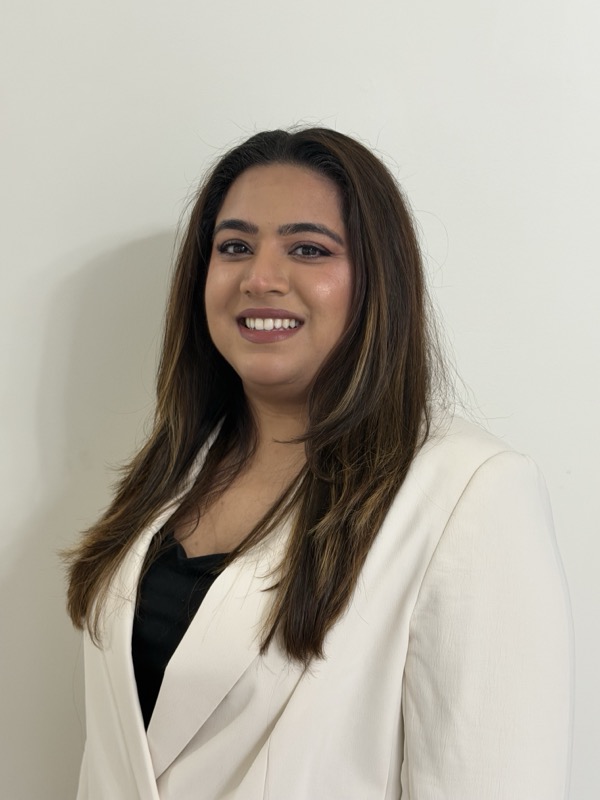
If you’re a South Asian person in Illinois looking for a therapist who doesn’t need a cultural orientation before we can do real work – I’d love to talk. I’m Sukhi Sandhu, MS, LCPC. I offer telehealth therapy across Illinois, and I specialize in trauma, anxiety, ADHD, and the specific challenges that come with navigating South Asian family systems and cultural identity.
I accept BCBS and other insurance plans, and I offer a free 15-minute consultation so you can see if we’re a good fit before committing to anything.
Book your free consultation here or call (224) 326-0897. You’ve done the research. This is the next step.
Ready to Start Your Journey?
If this article resonated with you, consider scheduling a free consultation. Together, we can explore what support looks like for you.
Book Free Consultation